
Why Complete Phrases Are Easier to Use Than Isolated Words
Learning an individual word can feel efficient. One item, one translation, one new piece of vocabulary added to the list.
Read articleClear, useful guidance for speaking practice, audio learning and making steady progress in a new language.

Explore focused guides, useful phrases and native-speaker audio for each language.
Learning an individual word can feel efficient. One item, one translation, one new piece of vocabulary added to the list.
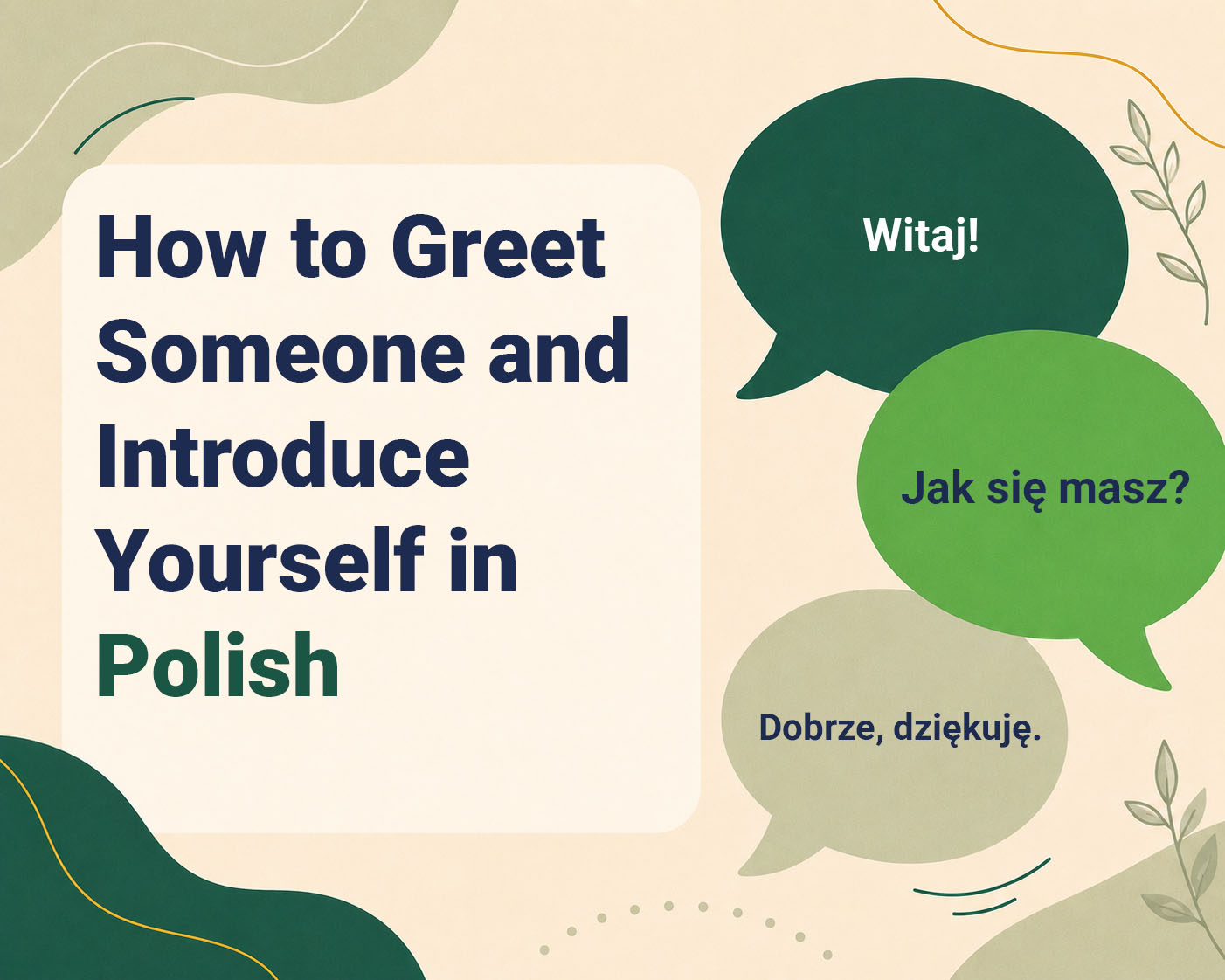
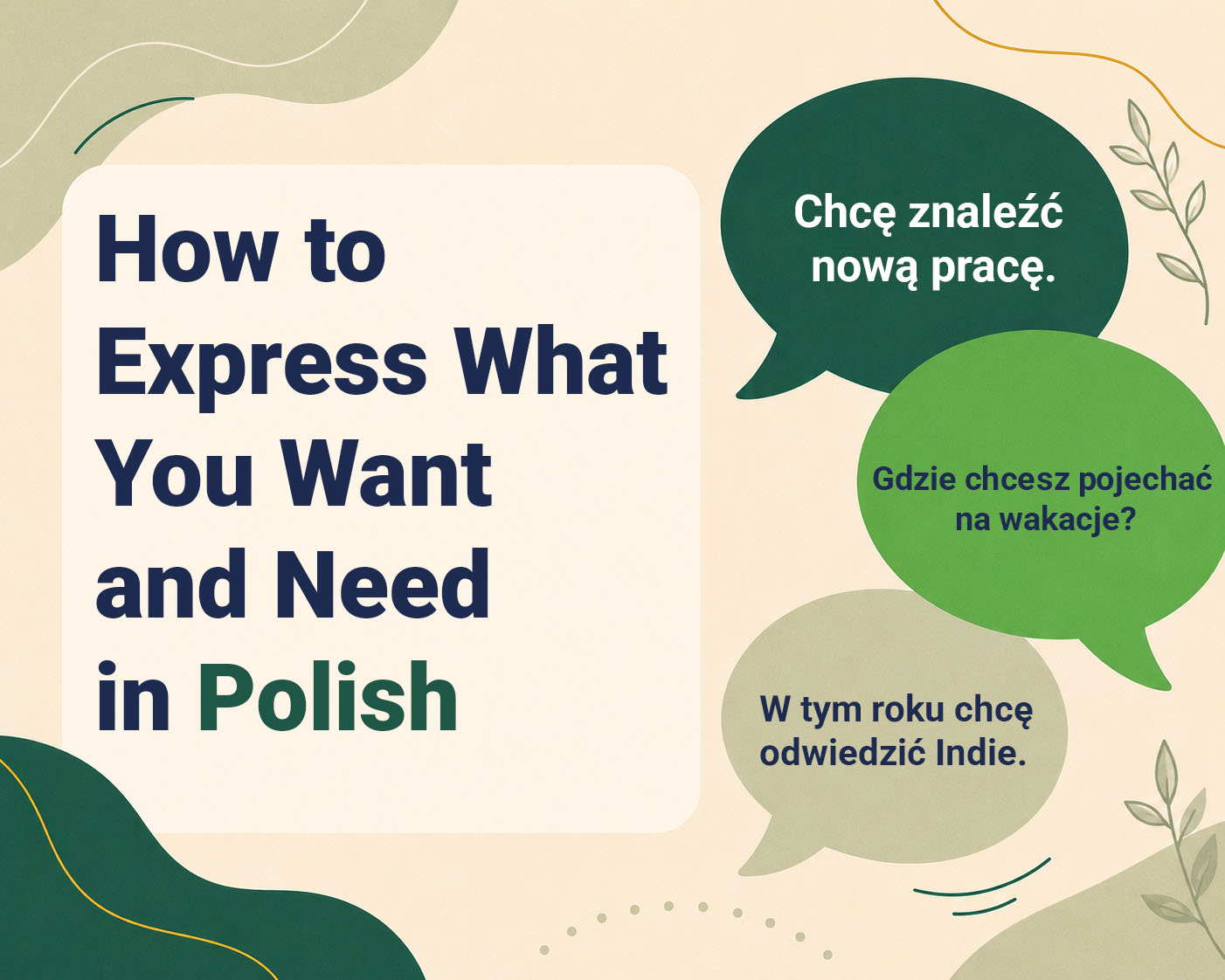
Read articleWanting something, needing help and feeling like doing something are related ideas, but Polish does not express them all with one verb.
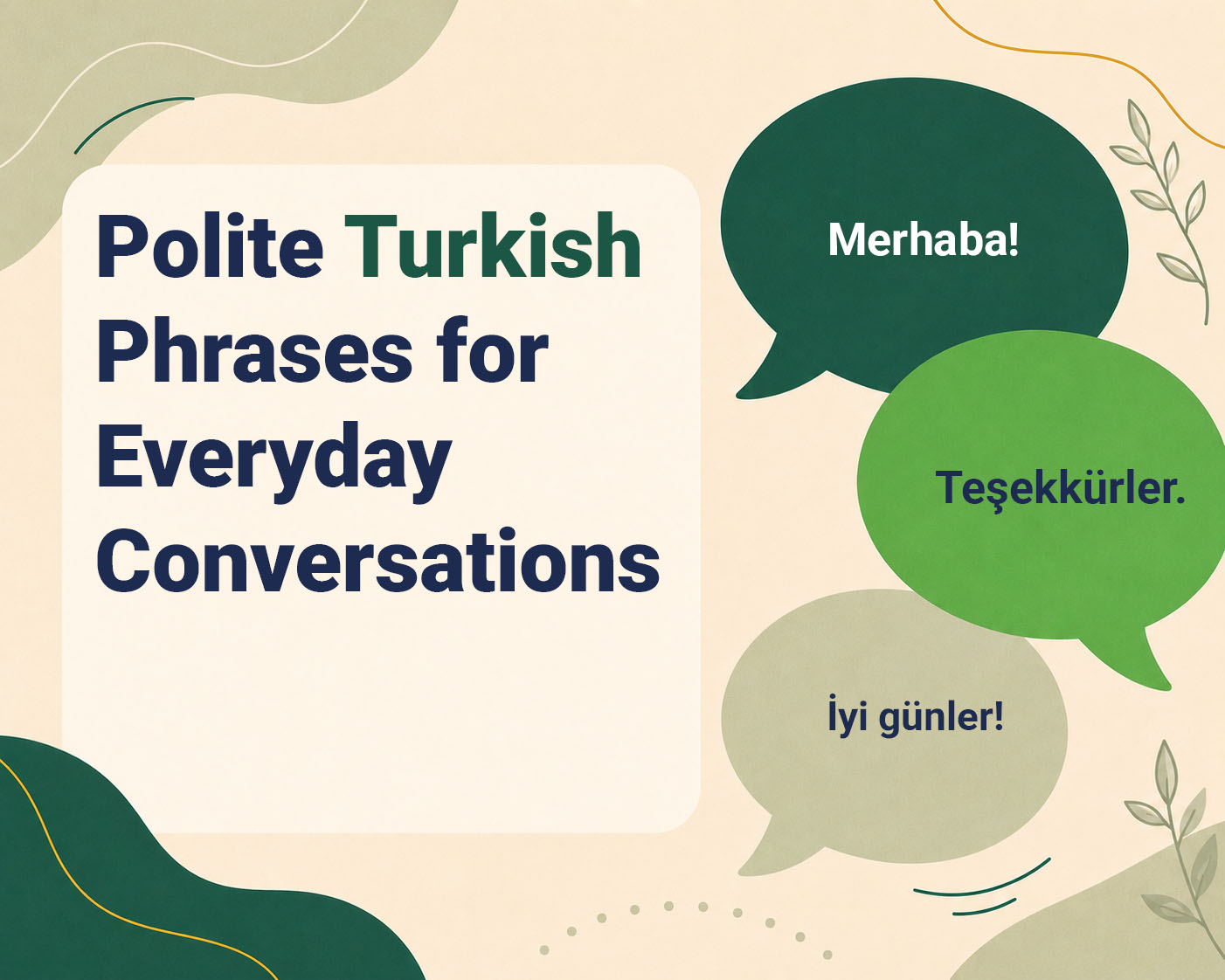
Read articleLearn friendly Turkish greetings, requests, responses and goodbyes—with formality guidance and native-speaker audio.
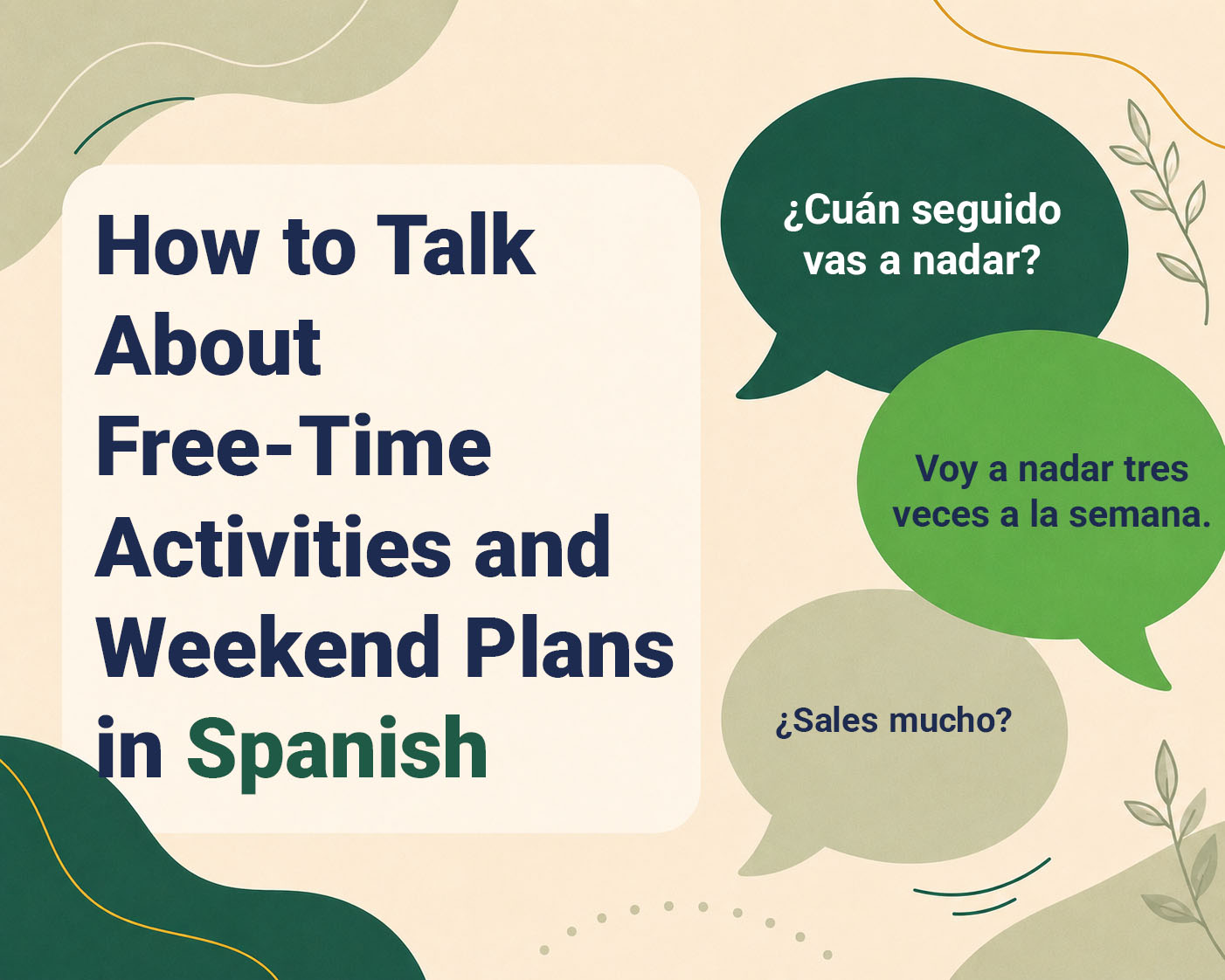
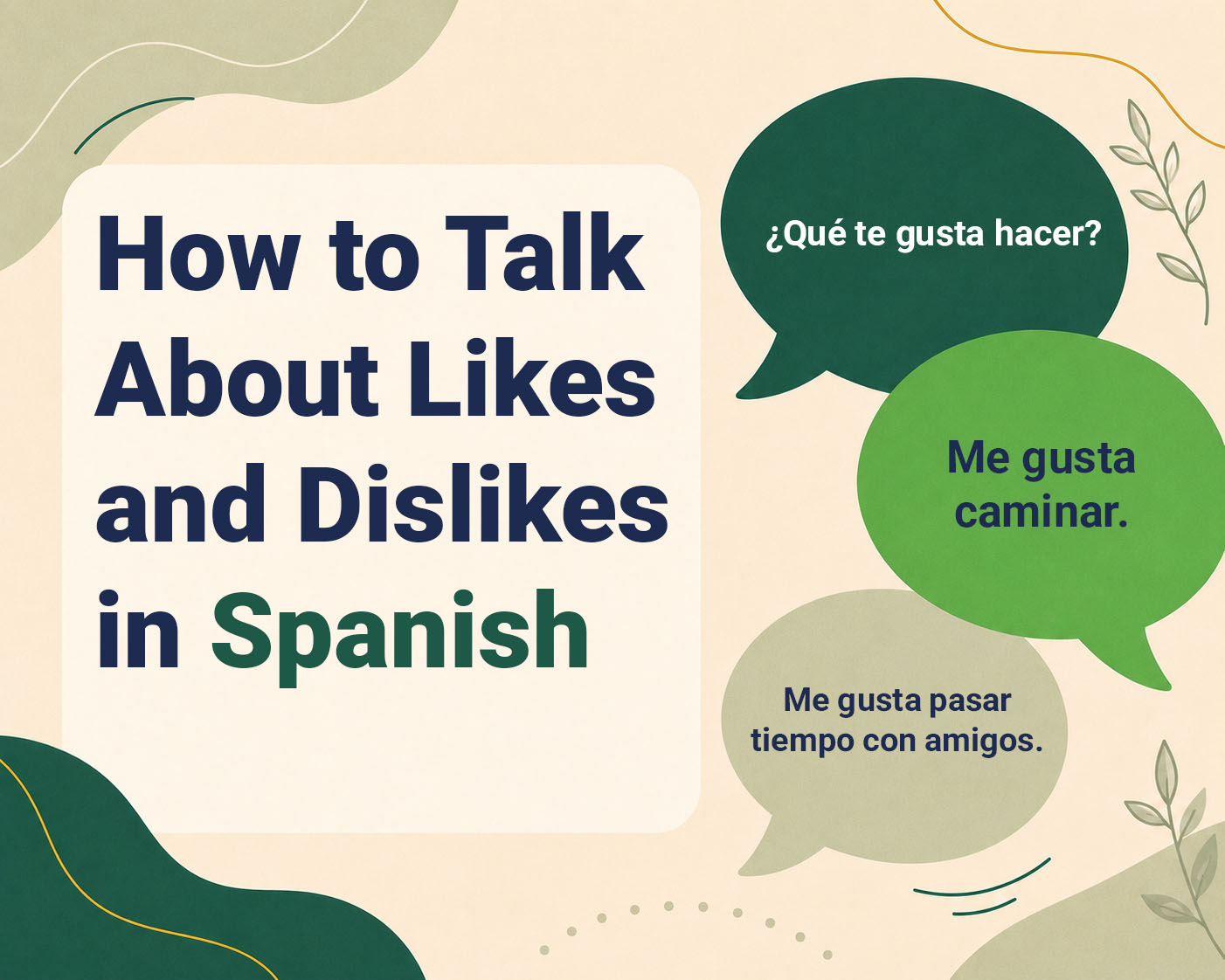
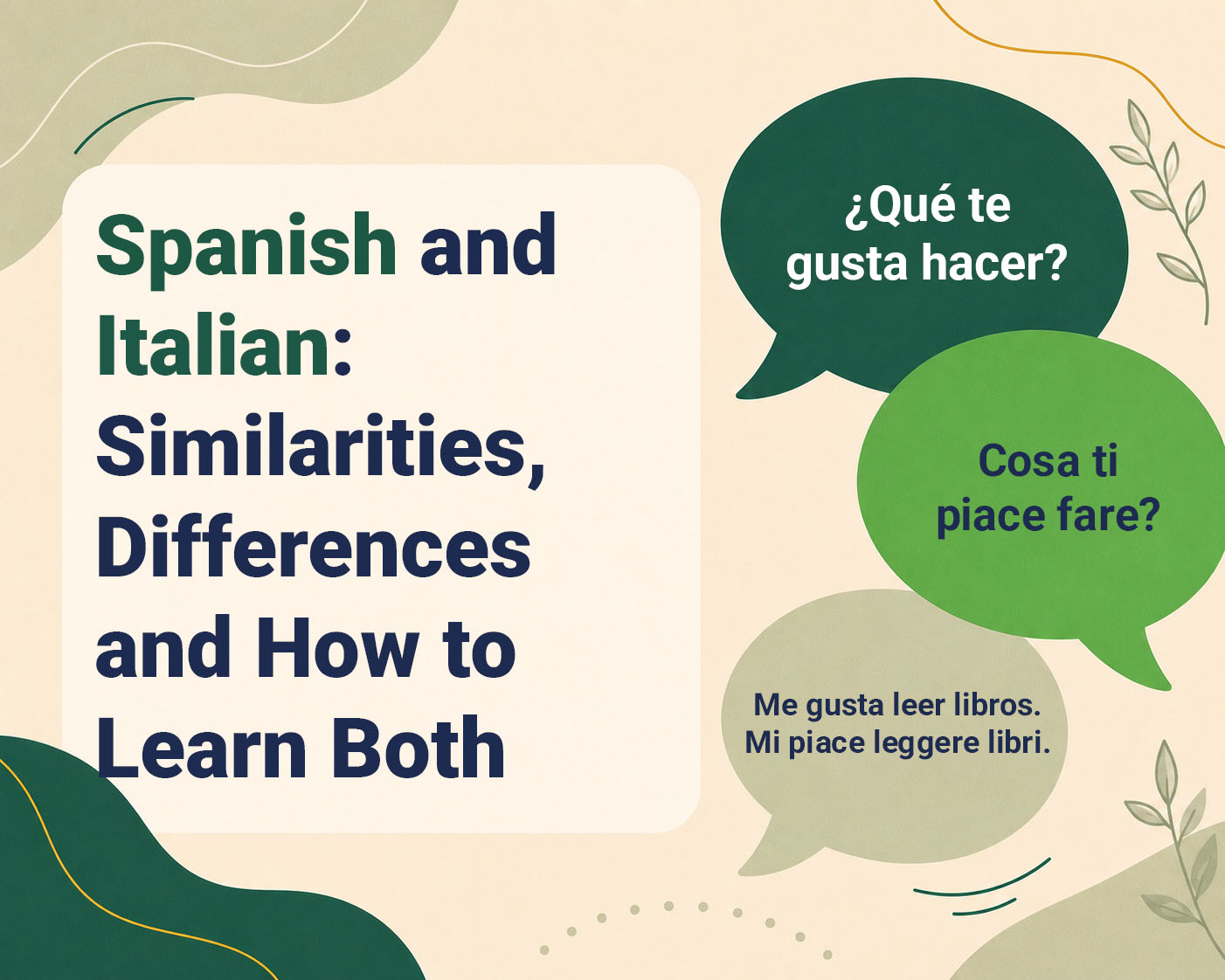
Read articleLearn how to use me gusta, gustan, no me gusta, prefiero and other everyday Spanish expressions, with pronunciation guides and native audio; includes native-speaker audio.
Read articleDiscover how complete phrases make stress, rhythm, linking and intonation easier to hear, remember and use in natural speech.
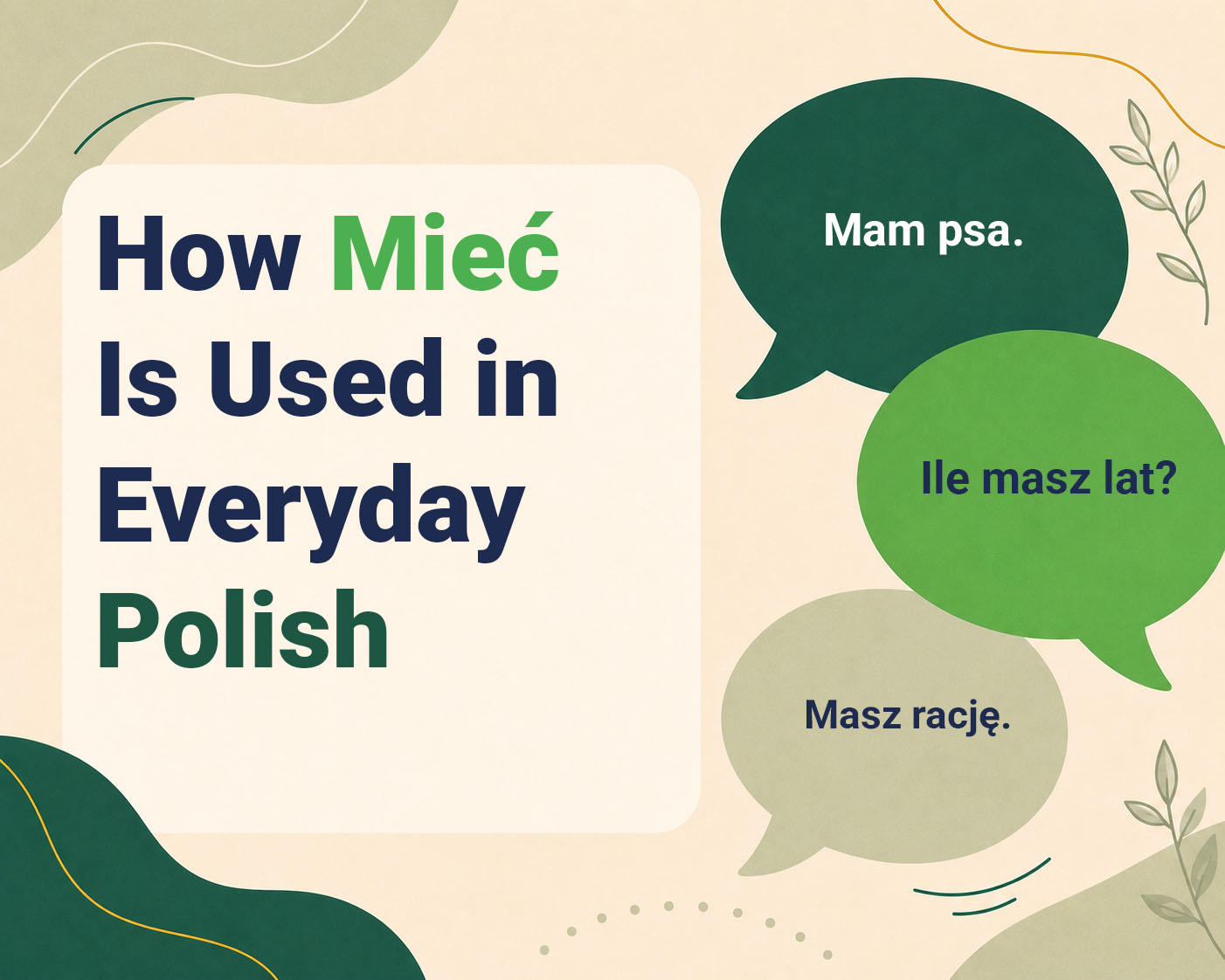
Read articleSee how Polish speakers use mieć for possession, age, family, being right and saying what they feel like doing—with native audio.
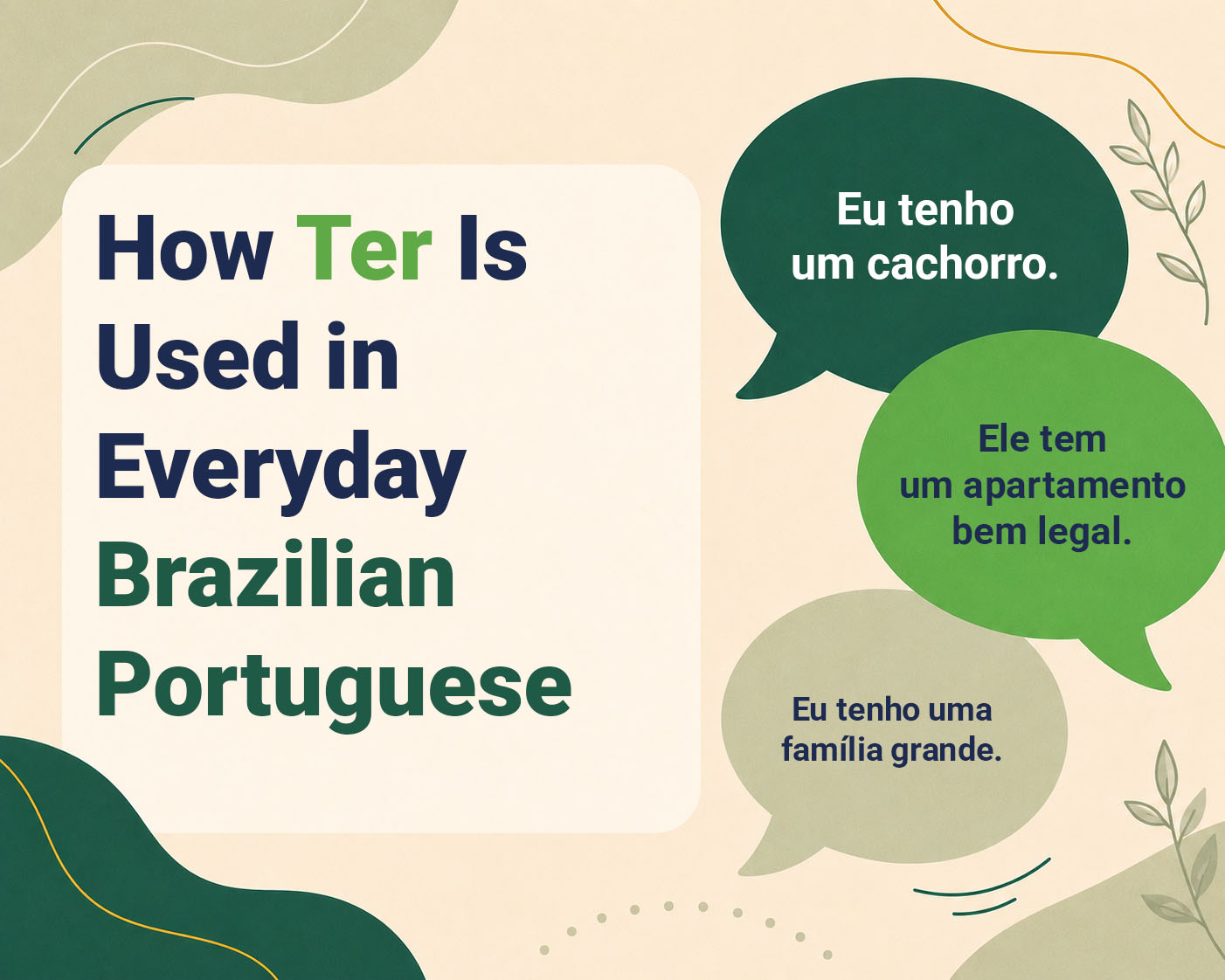
Read articleLearn how Brazilian Portuguese uses ter for possession, age, fear, time, plans and more, with pronunciation guides and native-speaker audio.
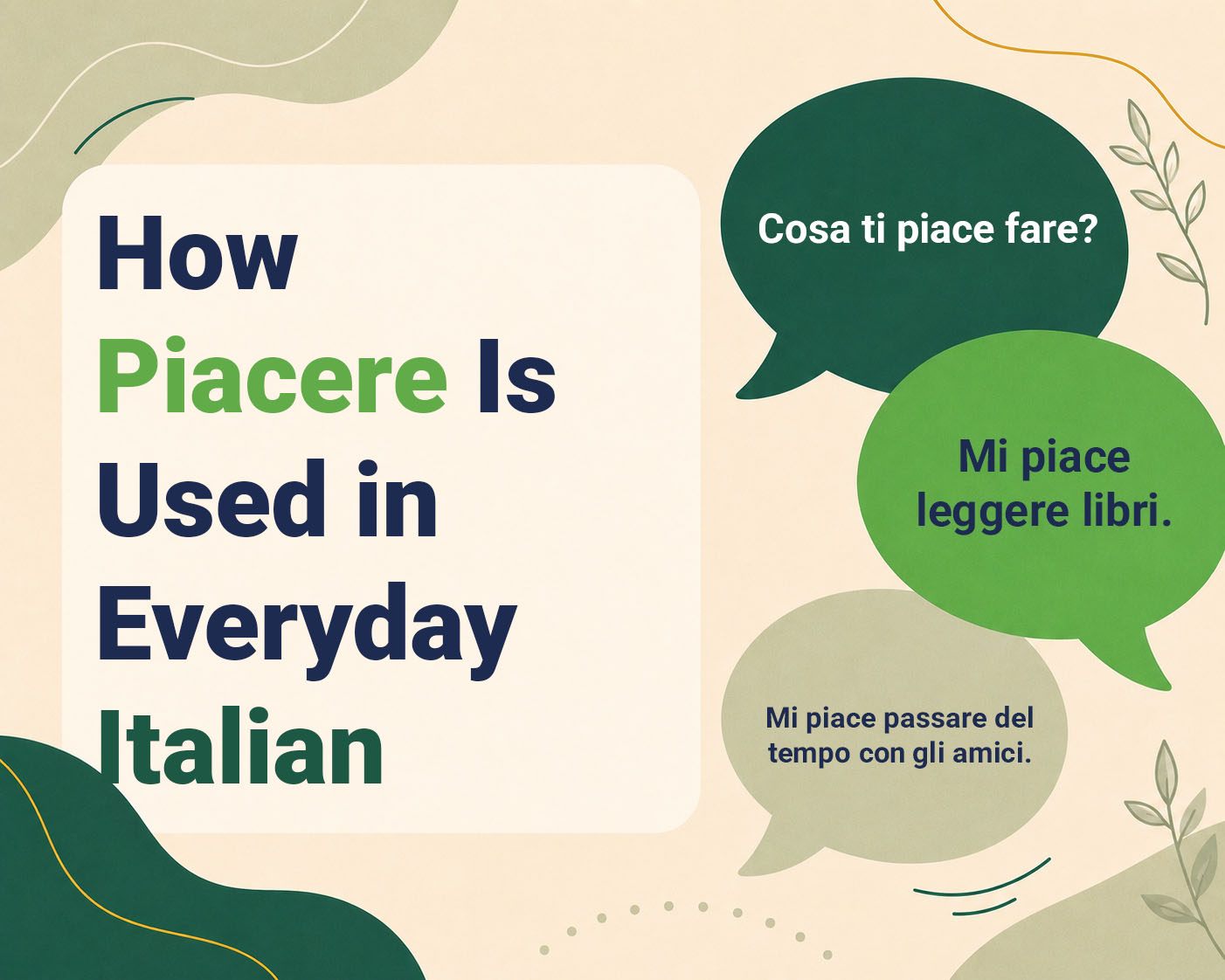
Read articleLearn useful polite expressions in Italian, including formal and informal alternatives, pronunciation guidance and native-speaker audio.
Read articleHow many words do you need to speak a language? Five hundred? Two thousand? Ten thousand?
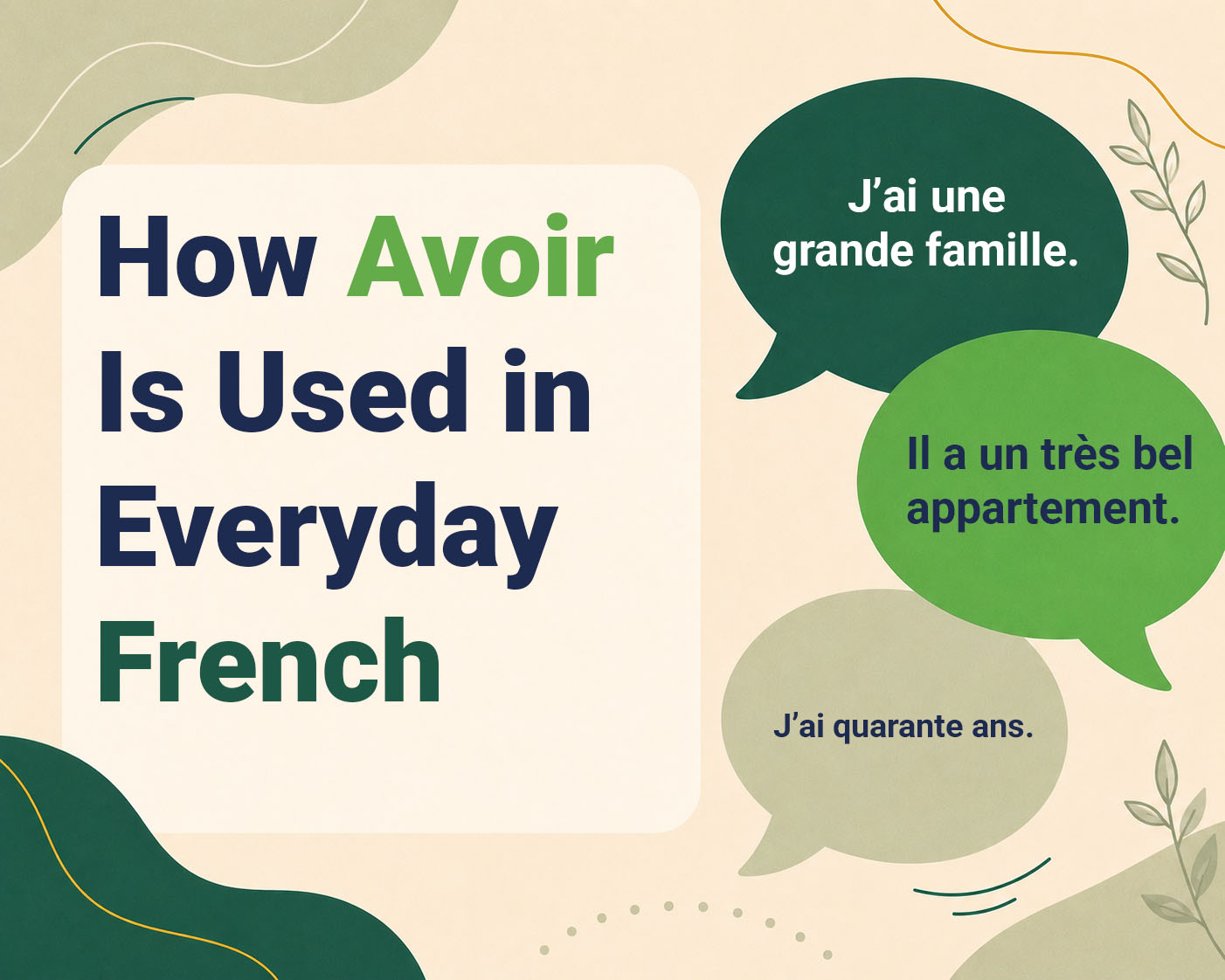
Read articleLearn how avoir is used in everyday French for age, hunger, needs, feelings and the past tense, with clear examples and native-speaker audio.
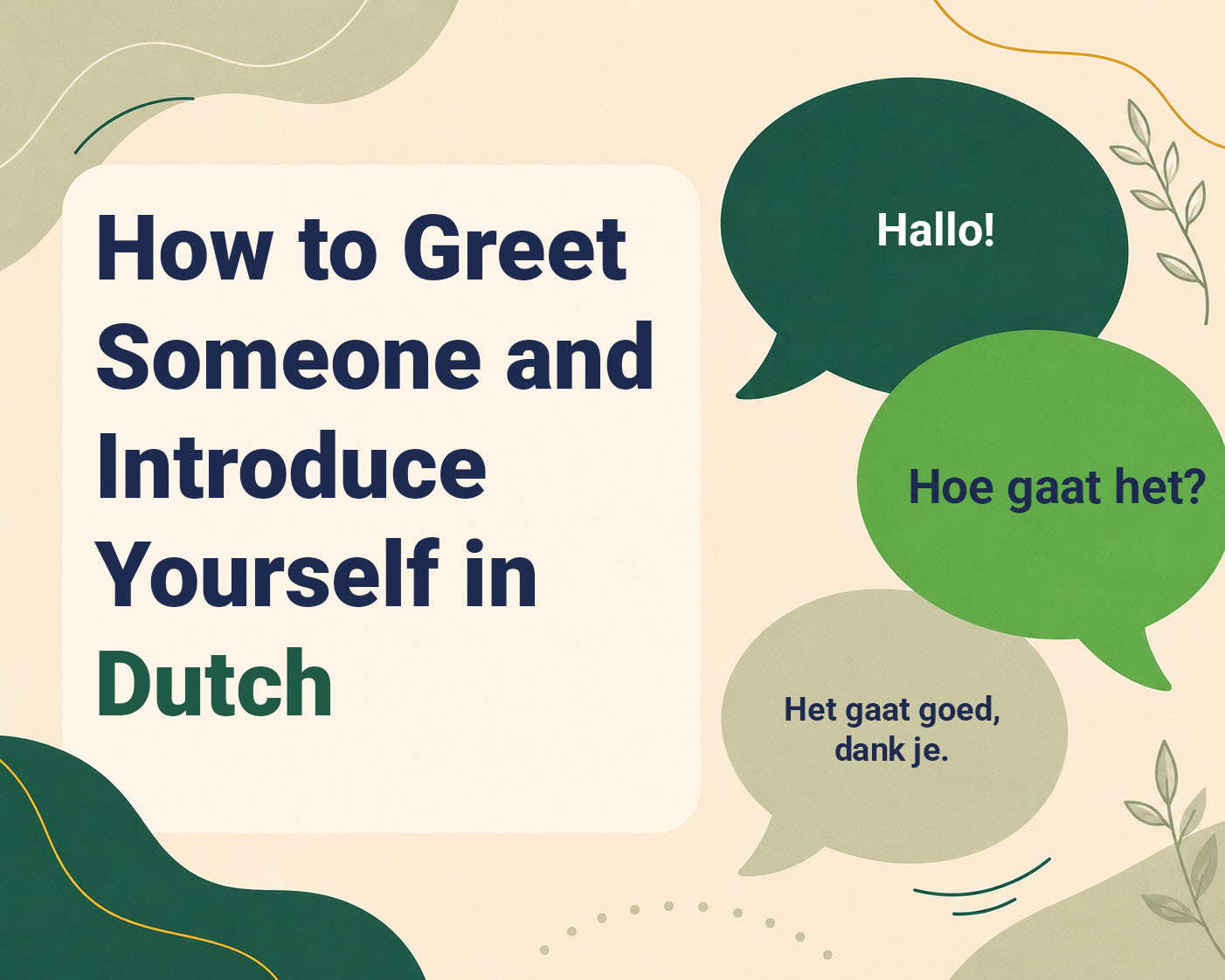
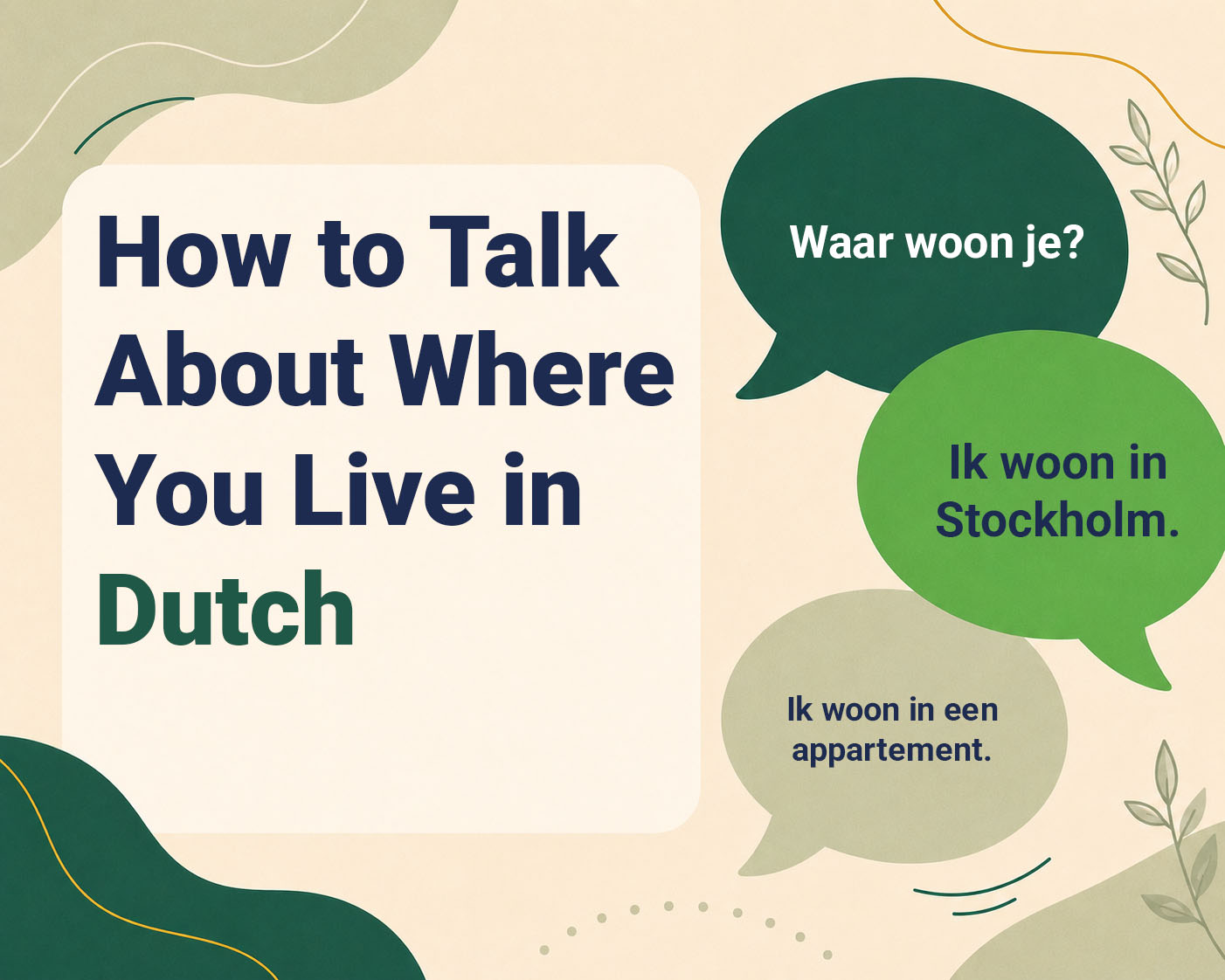
Read articleLearn how to ask and answer where someone lives in Dutch, describe a home and discuss past places, with pronunciation and native-speaker audio.
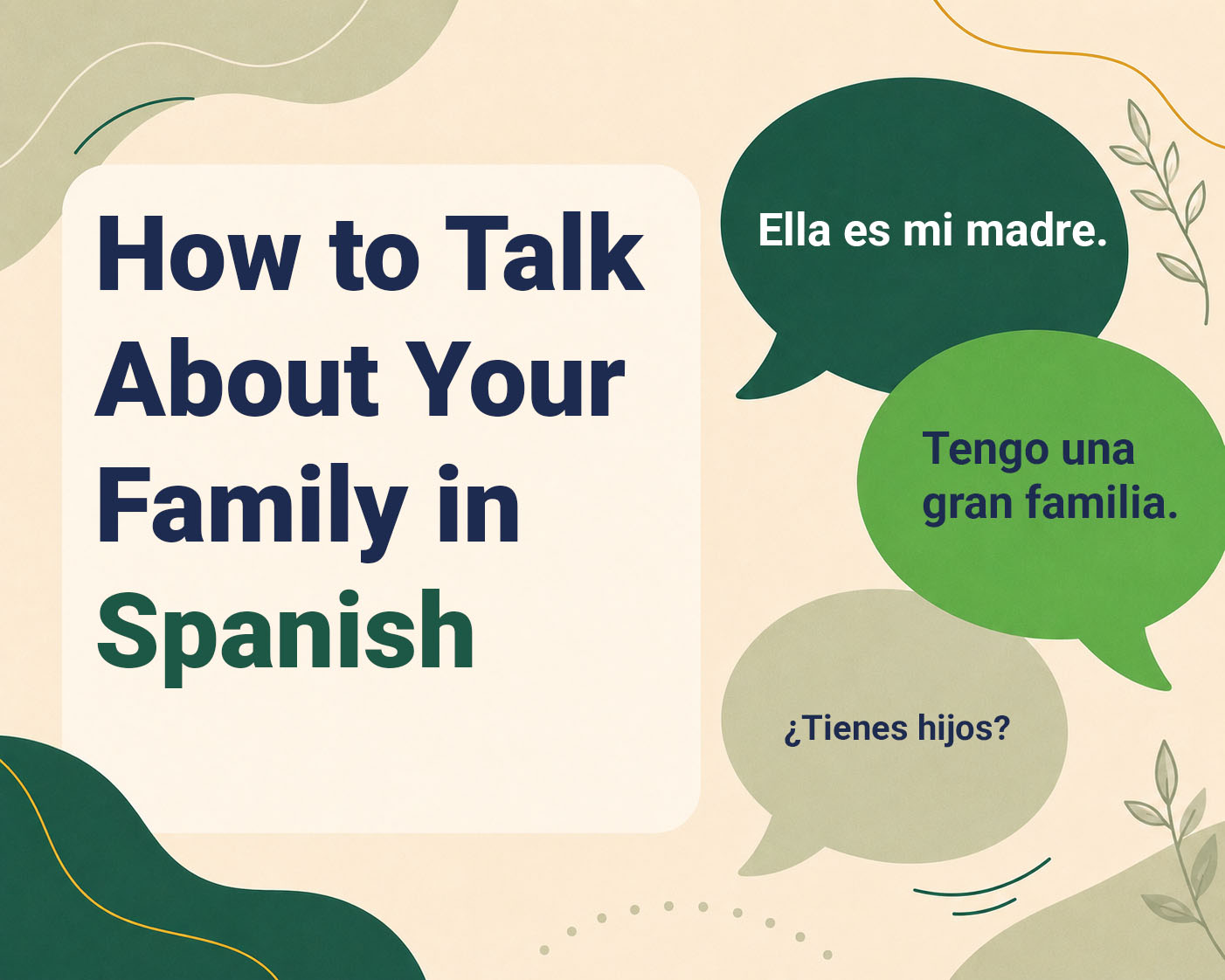
Read articleLearn natural Spanish phrases for introducing family members and talking about partners and children—with native-speaker audio and clear explanations.
Read articleA familiar word can disappear just when you need it. Here is why that happens—and how useful language becomes easier to retrieve.
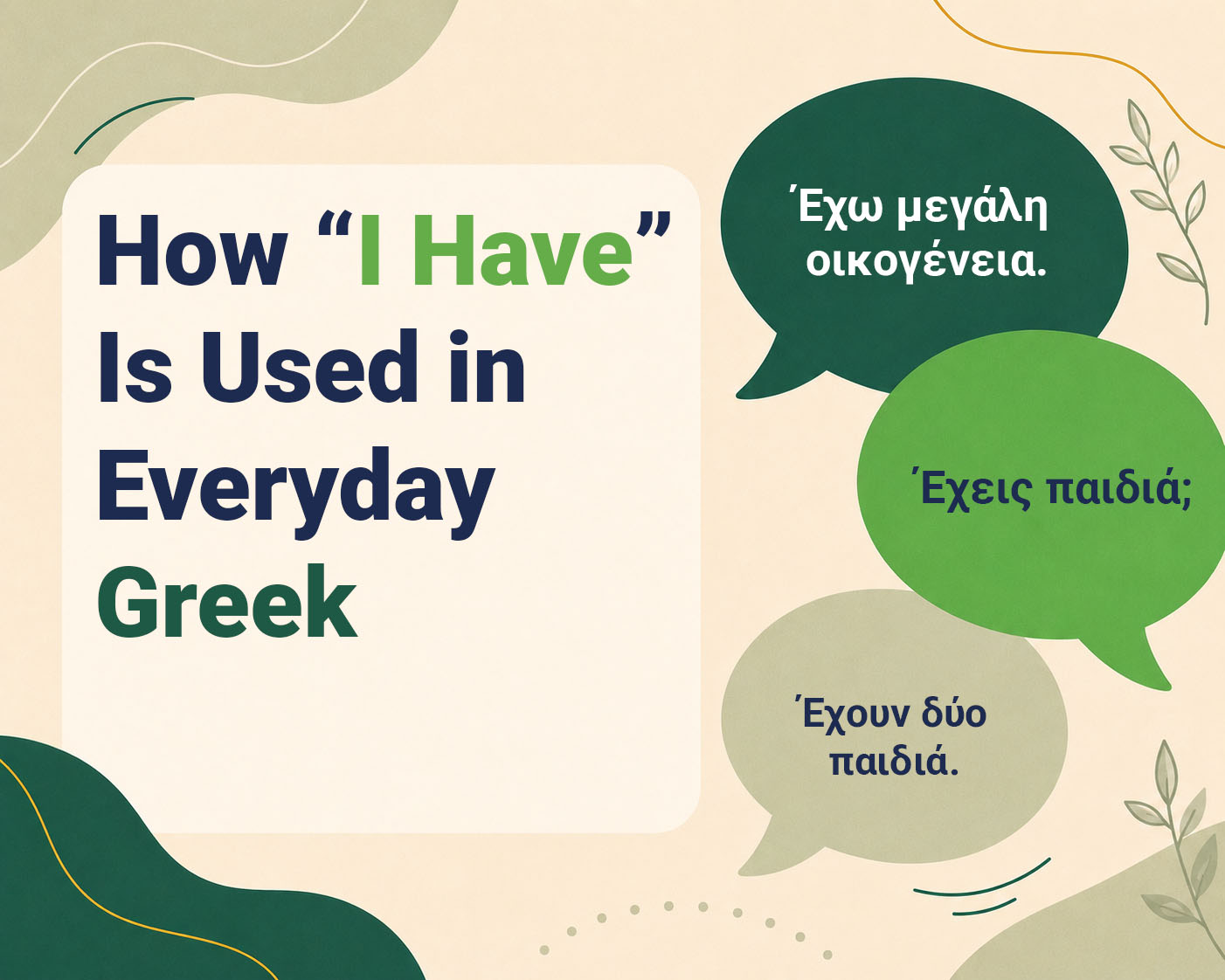
Read articleLearn how everyday Greek uses έχω for possession, descriptions and experience, with pronunciation guidance and native-speaker audio.
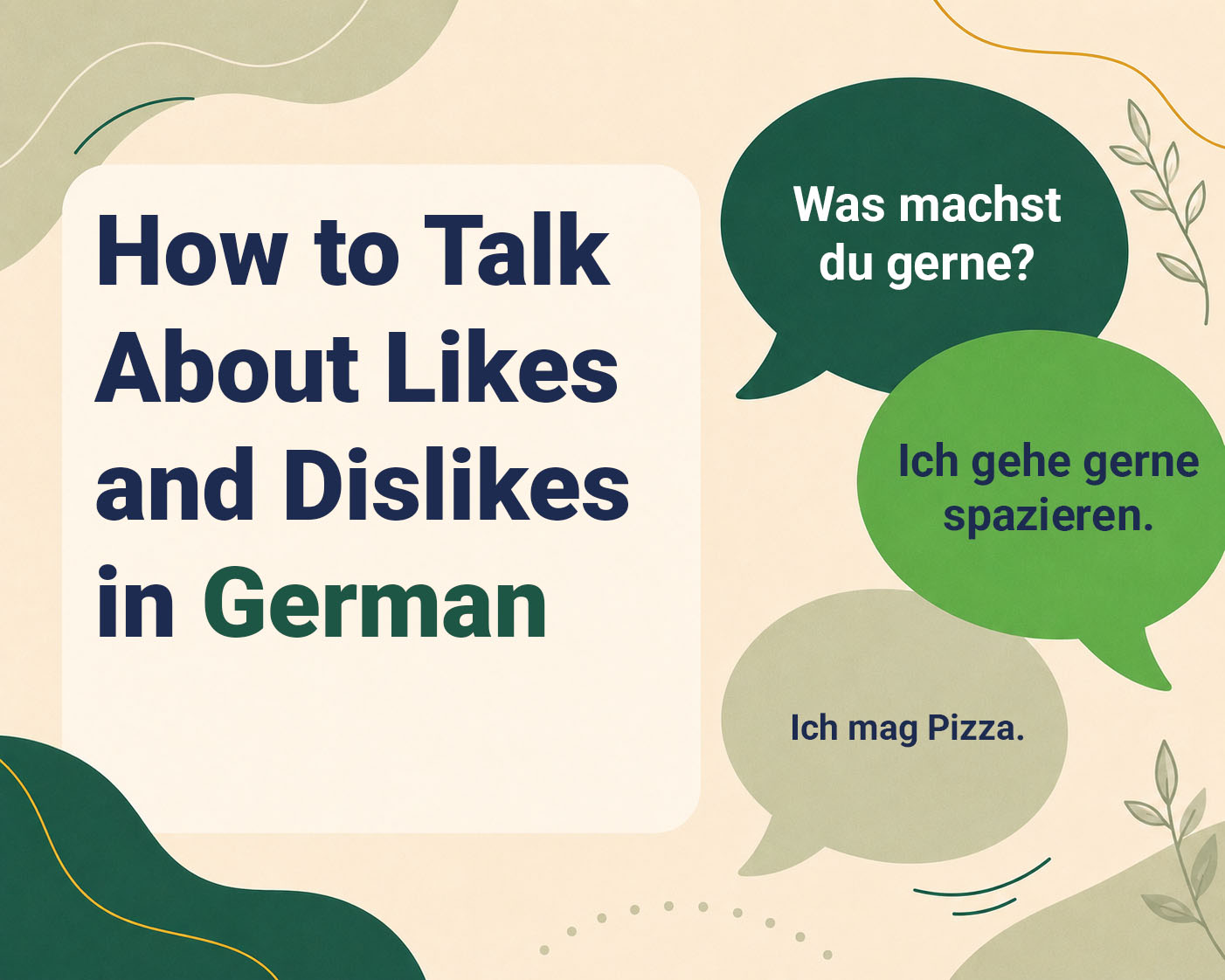
Read articleLearn to express likes, dislikes and preferences in German with gern, mögen and bevorzugen, plus pronunciation help and native-speaker audio.
Read articleLearn how to talk about parents, siblings, marriage, children and family resemblance in French with practical phrases and native-speaker audio.
Read articleUnderstanding a question can feel easy until it is your turn to answer. Here is why that gap is normal—and how useful language becomes easier to retrieve.
Read articleSee how Dutch speakers use hebben for possession, hunger, preferences, needs, feelings and the conversational past.
Read articleSee how Spanish speakers use tener for possession, age, hunger, feelings, pain and everyday obligations.
Read articleUseful repetition brings language back at the right moments and gradually turns recognition into active recall.
Read articleLearn how to say hello, exchange names and ask where someone is from in Greek—with pronunciation help and native-speaker audio.
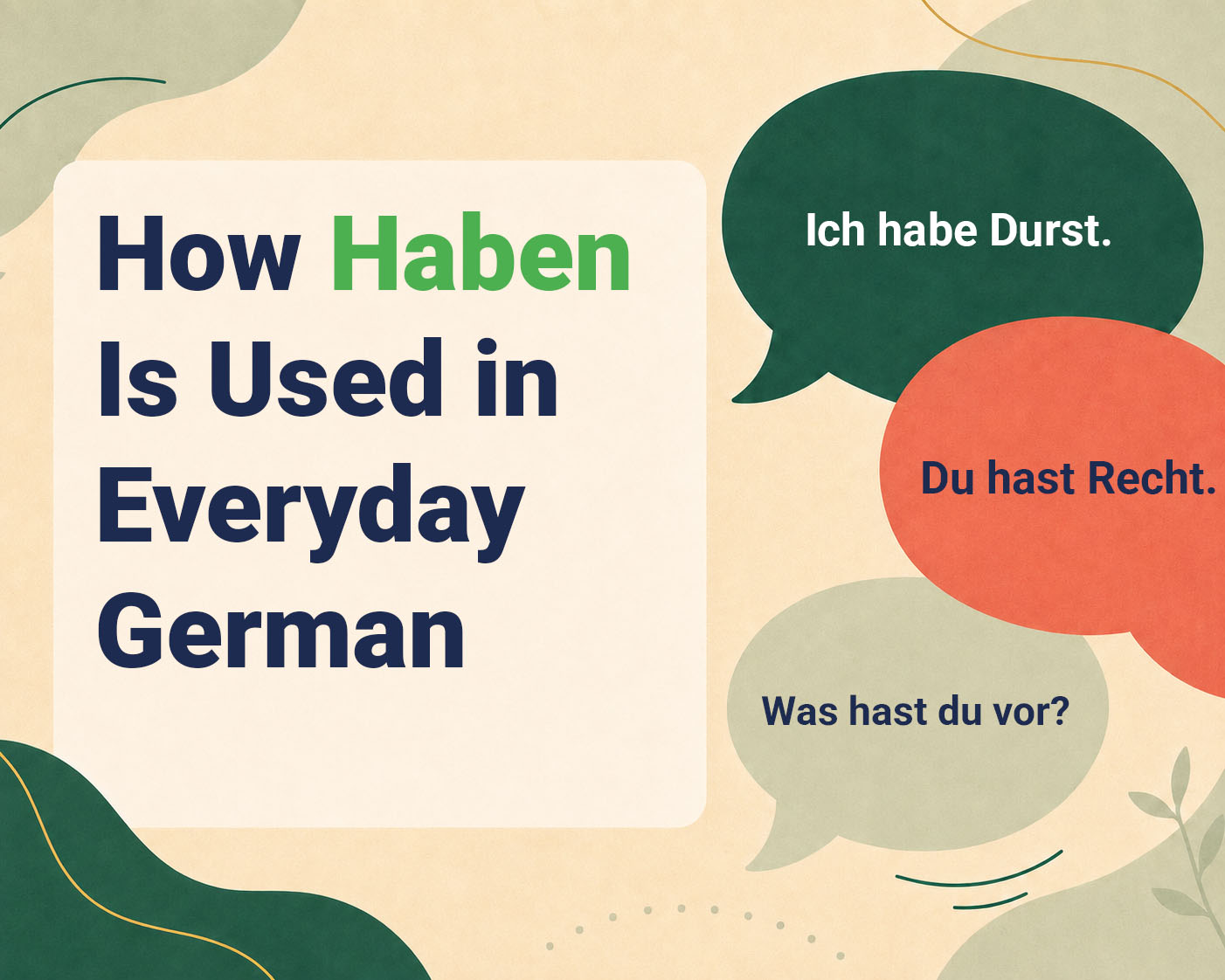
Read articleSee how German speakers use haben for possession, thirst, feelings, plans, available time and the conversational past.
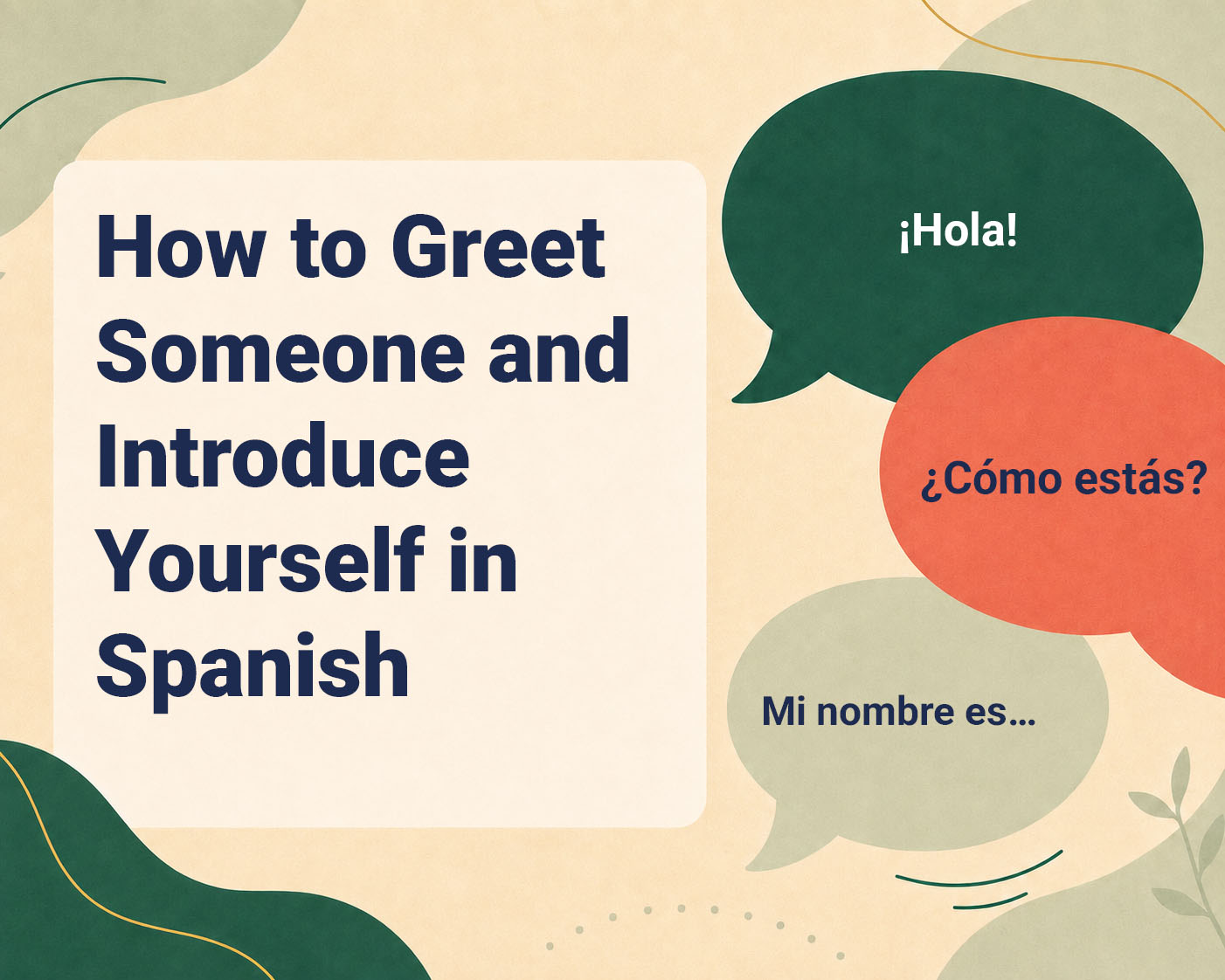

Read articleLearn how to say hello, exchange names and ask where someone is from—with native Latin American Spanish audio and clear pronunciation guidance.
Read articleYou can study vocabulary, understand grammar and recognize many words without feeling able to speak. This is one of the most common frustrations in language learning.
Read articleBuild a sustainable 10-minute language habit with a reliable cue, a simple session plan, active practice and a realistic way to handle missed days.
Read articleLearn why background audio rarely builds comprehension by itself and how to combine active listening, repetition and easier extensive listening.
Read articleDiscover realistic language-learning timelines, what official hour estimates mean, and how long it can take to reach useful conversational milestones.
Read article